Explore Local Libraries for Reading
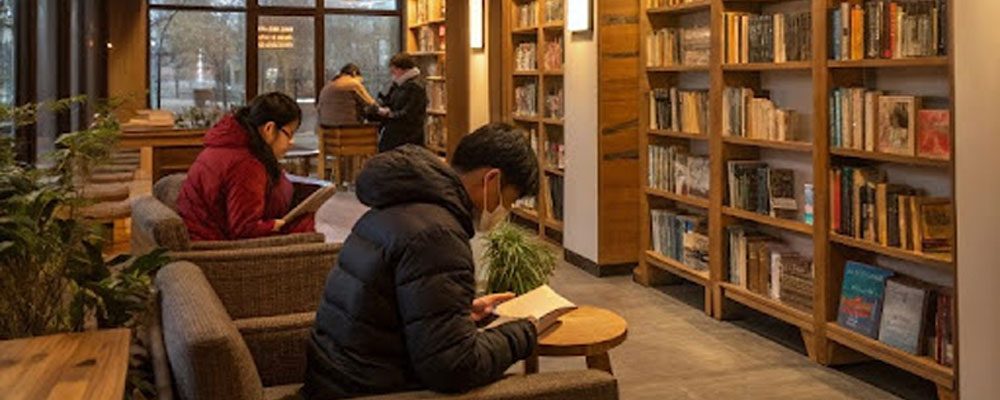
In the digital age, where a universe of information is available with a few clicks, there’s something beautifully grounding about walking into a library. The quietude, the smell of books, the faint rustle of pages turning—libraries offer a timeless retreat for readers, thinkers, and dreamers. Gorakhpur, known for its cultural richness and historical significance, also harbors a treasure trove of local libraries that continue to enrich the community through books, learning spaces, and shared knowledge.
Why Libraries Still Matter
Before diving into Gorakhpur’s reading culture, it’s important to understand why libraries remain relevant today. Beyond just being repositories of books, libraries are:
- Community Hubs: They provide inclusive access to knowledge for all age groups and social backgrounds.
- Quiet Learning Spaces: Perfect for students, researchers, or anyone who needs a focused environment.
- Guardians of Local Knowledge: Many local libraries archive regional history, literature, and documents unavailable online.
- Promoters of Literacy and Imagination: Especially for young readers, libraries open doors to creativity and lifelong learning habits.
A Glimpse Into Gorakhpur’s Reading Culture
Gorakhpur has a long-standing literary spirit. Known for its writers, poets, and educators, the city has nurtured generations who value the written word. Despite the proliferation of smartphones and e-books, the people of Gorakhpur continue to frequent local libraries—an inspiring testament to the city’s intellectual curiosity.
You can often find school children huddled in reading rooms after school, young UPSC aspirants immersed in thick reference books, and elderly locals flipping through newspapers or revisiting the classics. The love for reading here is organic and deeply rooted.
Types of Libraries You’ll Find in Gorakhpur
Libraries in Gorakhpur vary in scale, purpose, and history, but all share a common goal—to provide access to knowledge. Some types you’ll come across include:
1. Public Libraries
These are usually government-funded and serve a wide demographic. They often carry books in Hindi, English, and Urdu, catering to diverse linguistic readers. Many of these libraries have separate reading rooms, newspaper sections, and quiet study areas.
2. Academic Libraries
Located in schools, colleges, and universities, academic libraries are excellent for subject-specific research. Students in Gorakhpur benefit from access to journals, academic publications, and textbooks—often in physical and digital formats.
3. Private and Community Libraries
Some local communities and individuals have created small but powerful library spaces to serve specific groups—such as children, women, or marginalized communities. These libraries often focus on accessibility and social impact.
4. Children’s Libraries
In recent years, there has been a growing trend of developing libraries designed especially for young readers. These spaces are often bright, inviting, and stocked with age-appropriate literature that fosters a love of books from an early age.
What to Expect When Visiting a Library in Gorakhpur
Each library is unique, but here are some common elements you’ll likely find:
- Newspaper and Magazine Sections: Daily newspapers in multiple languages and monthly magazines on current affairs, health, science, and art.
- Reference and Textbook Collections: Especially helpful for students preparing for exams.
- Fiction and Non-Fiction Shelves: From Hindi classics to modern English novels, the shelves offer variety.
- Calm Atmosphere: Ideal for focused reading or studying.
- Library Membership: Most libraries offer low-cost or free membership with an ID proof.
How Libraries Enrich the Lives of Gorakhpur’s Residents
The impact of libraries stretches far beyond books. Here’s how they touch everyday lives in Gorakhpur:
1. Empowering Students
Libraries offer an affordable way for students to access academic resources, saving families the burden of buying expensive textbooks. For many students from modest backgrounds, libraries serve as their primary educational tool.
2. Supporting Competitive Exam Preparation
For aspirants preparing for UPSC, SSC, banking, or teaching exams, libraries are sanctuaries. They provide a quiet environment, the right material, and the space to focus—essentials that are sometimes hard to find at home.
3. Promoting Mental Wellness
In a bustling world, reading brings calm. Libraries in Gorakhpur provide an oasis for people dealing with stress, loneliness, or screen fatigue. The ritual of visiting a library, choosing a book, and reading silently can be profoundly therapeutic.
4. Encouraging Social Learning
Libraries foster a culture of shared learning. Strangers might discuss a book, recommend resources, or help each other with doubts. These small interactions create a sense of community and mutual growth.
5. Preserving Cultural Identity
Many libraries house local literature, historical documents, and regional publications that preserve Gorakhpur’s heritage. They become centers for cultural education, especially for young readers.
Tips for Making the Most of Your Library Experience in Gorakhpur
If you’re ready to explore Gorakhpur’s local libraries, here are a few tips to enhance your experience:
- Start With Your Local Ward: Visit the nearest library in your area. It’s often less crowded and more personal.
- Ask the Librarian for Guidance: Don’t hesitate to ask for book suggestions, rules, or help finding resources.
- Maintain Silence and Respect: Libraries are shared spaces; be mindful of others’ need for quiet.
- Keep a Reading Journal: Note down what you’ve read, learned, and want to explore further.
- Introduce Your Children to Libraries Early: It fosters curiosity and builds lifelong reading habits.
Library Etiquette to Remember
As spaces that thrive on shared respect and discipline, libraries follow certain norms. When visiting a library in Gorakhpur:
- Turn off or silence your mobile phone.
- Do not bring food or drinks.
- Return borrowed books on time.
- Refrain from marking or damaging books.
- Speak in whispers if you must communicate.
Reconnect with Reading
Whether you’re a bookworm, a student, or someone simply looking for a quiet place to reflect, Gorakhpur’s libraries offer a unique experience. In a city that balances tradition with modern aspirations, libraries remain one of the most democratic and beautiful institutions available to the public.
Perhaps the best way to keep these places alive is by using them. Walk into a local library, browse the shelves, sit down with a book, and allow yourself to get lost in the world of words. If you have children, take them along and let them witness the magic of books beyond screens.